Everyday situation
Family, parenthood, work, the body, age, career
A researcher working at the intersection of power, media and gender — without separating professional choices from personal responsibility
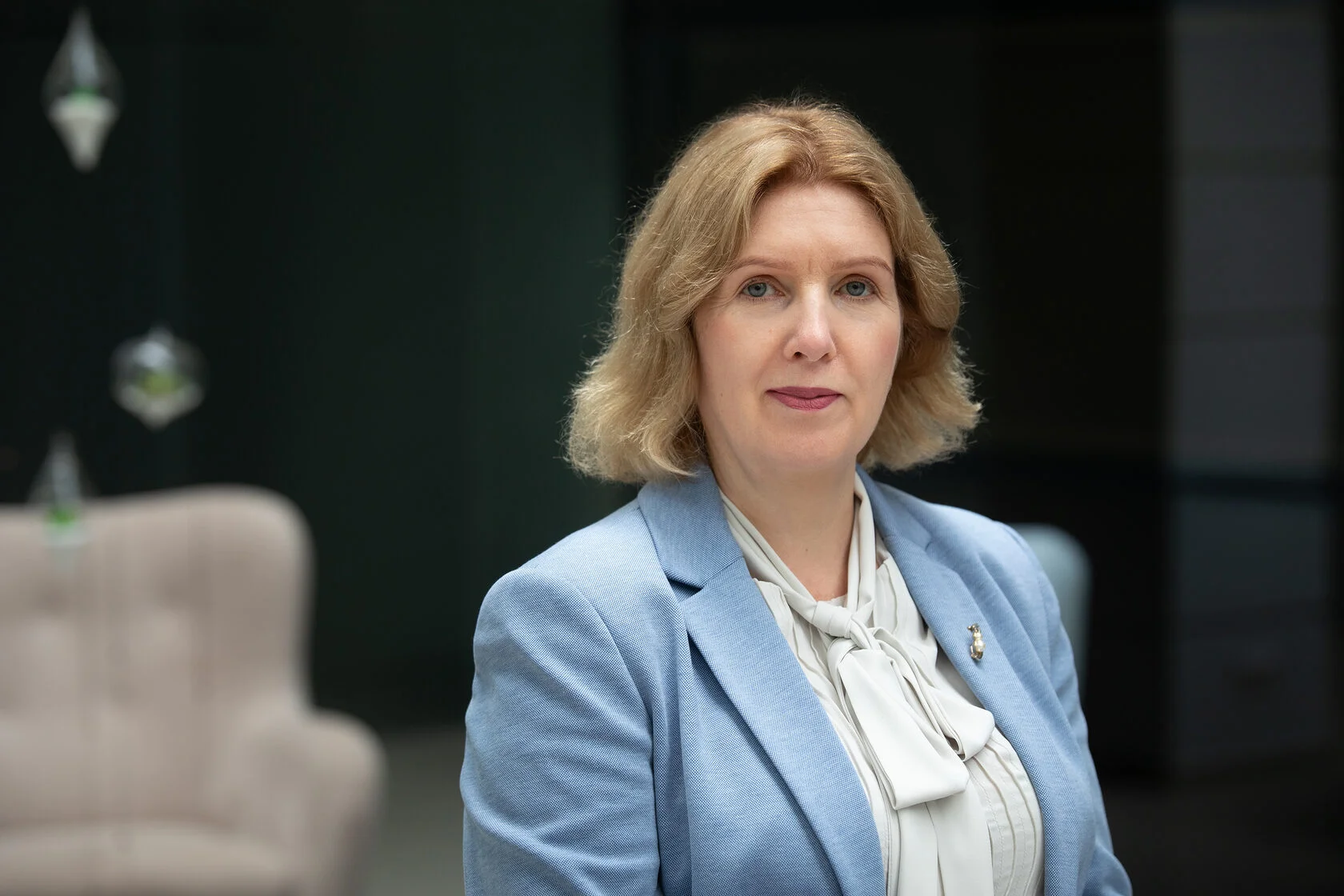
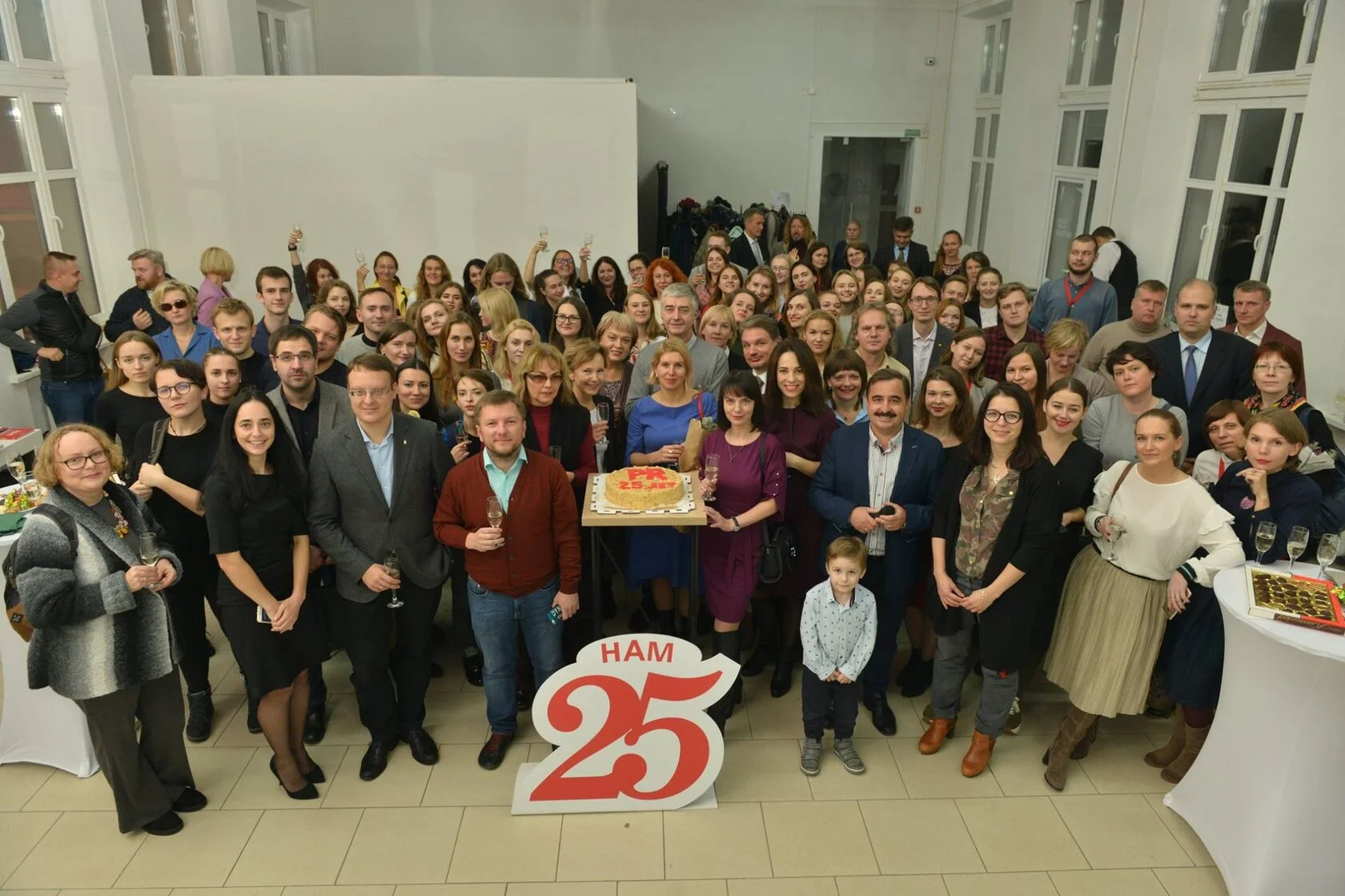
For many years, my professional life was rooted in the university: researching media, communication and gender, teaching, building teams and developing educational projects
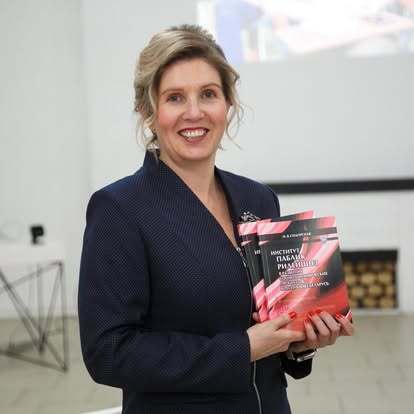
I progressed from lecturer and researcher to head of department, earned a Doctor of Sciences degree in Communication, and for many years worked not only on my own research but also on building educational programmes, research teams and a professional community
It was more than a job. For a long time, my academic identity was one of the main ways I engaged with the world: a way to think, exert influence, take responsibility and create something larger than a single publication or course.
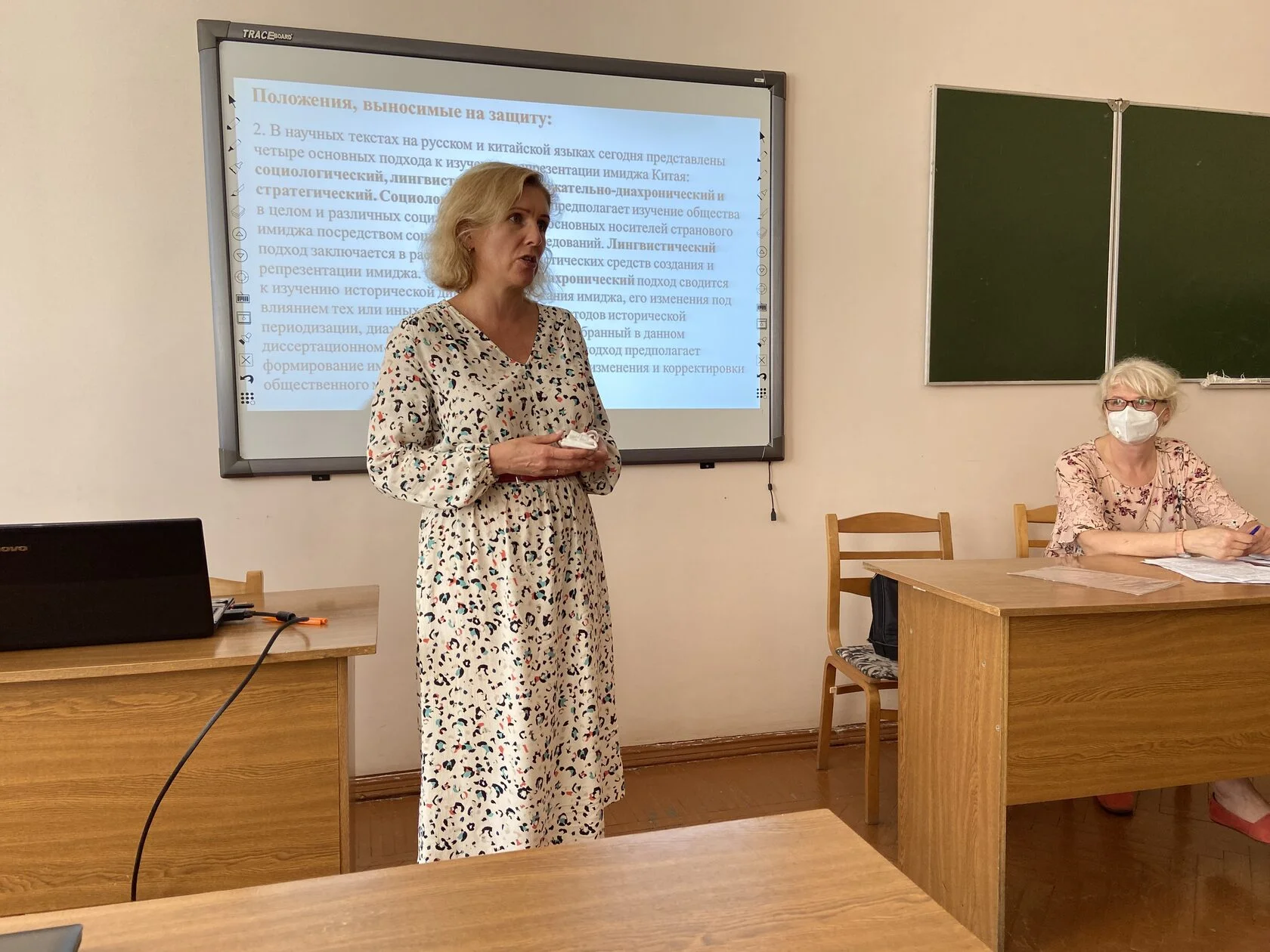
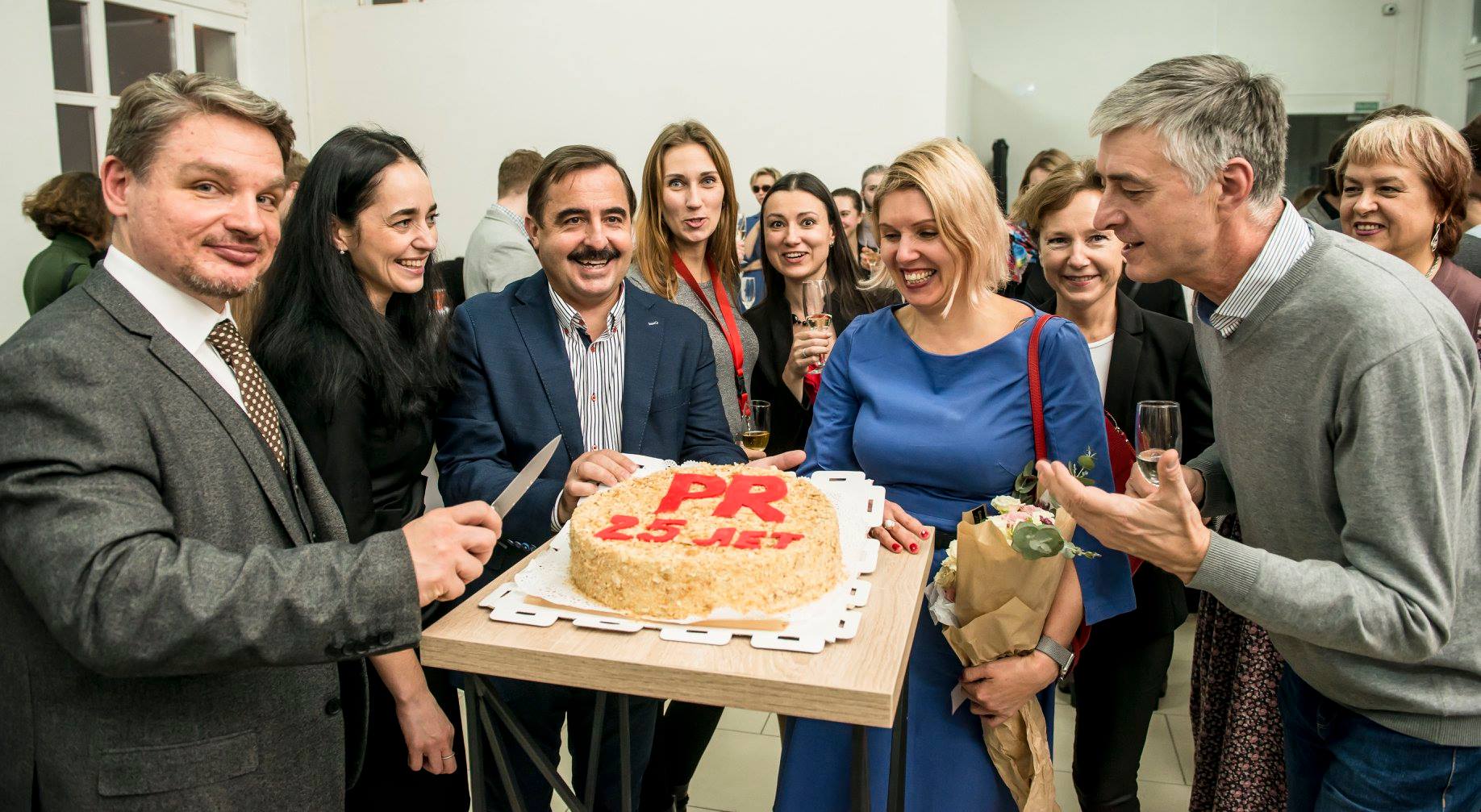
A civic choice that changed my professional trajectory
In 2020, I openly supported the democratic protests in Belarus. It was not only a civic gesture, but a choice that changed my professional trajectory.
“I did not want — and could not — preserve my former professional stability at the cost of being at odds with myself.”
After I was forced to leave Belarus, I had to start again — without my former institutional status, but with the same way of thinking, the same professional standards and the same responsibility for my own position
In exile, my work became more public
I began working more actively with independent media, research and civil society organisations, and international projects. Gradually, my role as a researcher expanded to include public expertise and analytical writing.
A news event is a point of entry, not the main subject
I am interested not only in what happened, but in the mechanisms behind it: how power works, how norms are created, why some groups gain greater visibility and opportunity, how propaganda changes the way reality is interpreted, and how the personal becomes political.
I increasingly work in a genre I call research-driven public writing: a current event becomes a starting point for examining broader social and political processes.
A gender lens makes it possible to see power relations where they often remain unnoticed
“The everyday is one of the sites of the political.”
Family, parenthood, work, the body, age, career
What is considered “proper”, natural and acceptable
Who sets the norms and gains access to resources, visibility and opportunities
How everyday life sustains a broader model of society
What matters to me is that a reader comes away not only with an opinion, but with a framework that helps them understand similar situations in the future
State merchandise for the “Year of Women” is not only about visual imagery, but about symbolic politics and the gender order
The language of officials is not only about bureaucratic jargon, but about the model of relations between the state and the citizen
For me, it begins not with the freedom to “do whatever I want”, but with the right to define my own questions, standards of quality and limits of compromise
I am not very good at pretending that a weak result is a good one, or that a convenient compromise is always a sensible one
Set my own research questions
Not tailor conclusions to expectations
Maintain high standards in my own work
This kind of autonomy sometimes comes at a cost. But for me, a professional strategy is not about maximising the number of opportunities at any price
After 2020, I had to rebuild my professional trajectory more than once
First, after losing my former institutional base and being forced to leave Belarus.
Then, as the Belarusian expert and media landscape contracted, I once again had to find ways to continue independent research.
This experience made the question of professional agency not only a research topic, but a personal one
What happens to professional agency when a person loses their institutional base?
What happens to accumulated human capital in forced migration?
How can the capacity to act be preserved when established forms of recognition and influence collapse?
A transition from individual expertise to an independent research infrastructure
In 2026, I founded Fundacja Kantrapunkt
For me, this is the next step after several years of working as an independent researcher, author and expert.
Kantrapunkt is an attempt not only to have an independent voice, but also to create space for research, collaboration and new analytical work.
Independent research
Research partnerships
Media work
Analytical frameworks
Public dialogue
It remains central to my work, but it does not define its limits. The experience of authoritarianism, repression, propaganda, forced migration and social transformation provides material for a broader analysis of power, communication, gender and human agency in a transnational context
Doctor of Sciences in Communication; researcher of media, power and gender
“I work not only with events, but with the frameworks through which they become intelligible.”
